Stop Disregarding the Power of Secondary Link Juice
Identifying Link Quality in the 2026 Search Environment
Search engine algorithms in 2026 have actually moved far beyond the basic counting of external points out. The current environment prioritizes what numerous specialists call "Entity Validation," where a link is only as valuable as the real-world authority of the source. Keeping an eye on a backlink profile now needs a shift from quantity metrics towards data-driven confirmation of human engagement and topical alignment. Old methods of examining domain authority ratings no longer offer an accurate photo of how a website stands within its niche.
Modern audits concentrate on the "Traffic-to-Link Ratio," a metric that determines whether a linking page actually gets visitors. In 2026, search engines deal with links from ghost sites-- pages with no human traffic-- as neutral at finest and hazardous at worst. When examining a profile, the initial step involves filtering out any referring domain that has actually not seen validated user activity in the last ninety days. This procedure makes sure that the focus remains on connections that exist within an active digital environment rather than a graveyard of ended domains.
Success in Asia Virtual Solutions GSA Lists depends on preserving a profile that mirrors natural market development. Algorithms now search for "Growth Velocity Consistency," indicating an abrupt spike in links without a matching boost in brand name searches or social mentions can activate a manual evaluation or an algorithmic suppression. To prevent these concerns, the audit workflow need to include a timeline analysis to ensure that link acquisition matches the real organization expansion in the local market.
The Shift Towards Topical Authority Clusters
Context is the main chauffeur of link value in 2026. A link from a high-traffic news website is less reliable than a link from a niche-specific blog that sits within the exact same semantic cluster as the target website. Examining for topical relevance involves taking a look at the three-tiered relationship between the linking page, the connecting domain, and the location page. If all three do not share a common semantic thread, the link is often marked down by modern ranking systems.
Data-driven link building now counts on "Co-occurrence Analysis." This indicates online search engine take a look at the words and entities surrounding a link to determine its intent. If a link appears in a paragraph about professional solutions, but the surrounding text is generic or unimportant, the link loses its weight. Audits should categorize links based on their "Contextual Score," which determines the density of associated industry terms within a 500-word radius of the anchor text.
This level of analysis is especially crucial for services operating in the region. Localized significance is no longer almost having the city name on the page. It involves belonging to a regional information cluster where the linking website has a proven connection to the location of the target website. An audit must identify if the regional links are coming from authentic regional sources or from generic directories that have no actual footprint in the local area.
Technical Workflows for 2026 Link Auditing
The technical side of a backlink audit has actually become more automated yet needs much deeper interpretation. Most specialists start with a raw data export that combines information from at least three different indexing tools. This prevents reliance on a single crawler's blind areas. Once the information is aggregated, the following workflow assists clean up the profile:
- Filter by "Link Type" to separate traditional hyperlinked text from image links, reroutes, and discusses within script-heavy elements.
- Inspect for "Security Headers" on the connecting domain. In 2026, links from websites without contemporary security procedures are often flagged as low-quality.
- Analyze the "Outbound Link Ratio" of the linking page. If a page has more than twenty external links, the worth passed to every one is minimal.
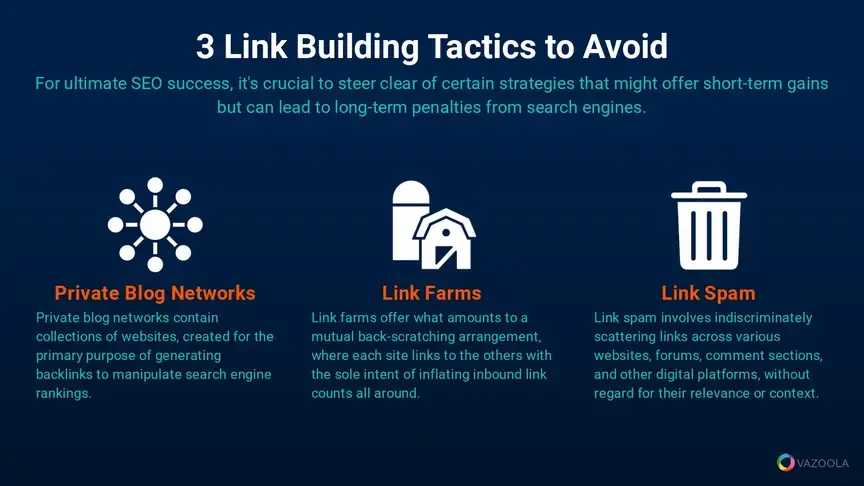
- Verify the "Hosting IP Variety" to guarantee that the link profile is not coming from a single server block or a known link farm.
Research study shows that Asia Virtual Solutions GSA Lists remains a core element of digital presence when these technical requirements are satisfied. After the initial filtering, the auditor should look for "Inertia Links"-- older links that have actually stayed active for several years without the source page being updated. While these were once considered gold, 2026 algorithms typically prefer "Fresh Confirmation," where a link is regularly re-crawled and verified as part of a presently kept resource.
Spotting AI-Generated Link Networks
The rise of synthetic content in 2025 led to a massive increase of AI-generated blog sites created solely for link placement. Determining these "Synthetic Clusters" is a significant part of the 2026 audit workflow. These sites often have high "Domain Strength" on paper however stop working when analyzed for human-centric signals. Auditors look for repeated sentence structures, a lack of initial photography, and the lack of a verifiable author profile.
Pattern matching is the most reliable method to find these networks. Typically, these websites share the very same CSS files, use comparable privacy policy design templates, or are updated at the exact same intervals. If a backlink profile shows a high percentage of links from websites that all updated their content within the same six-hour window, it is a clear sign of a coordinated network. These links must be marked for elimination or disavow, as they represent a significant risk to the long-lasting health of the domain.
The Role of Brand Mentions and Unlinked Citations
In 2026, the line in between a conventional backlink and a brand mention has blurred. Online search engine now use "Implicit Links," where a brand is discussed without a clickable URL. These citations are utilized to verify the authenticity of the specific links in a profile. An audit ought to not just take a look at the << a > tags however should likewise track how often business is mentioned across the region without a link.
A healthy ratio of connected to unlinked discusses recommends to the algorithm that the brand is a recognized entity in the local area. If a website has countless backlinks however absolutely no unlinked points out, it recommends an aggressive and abnormal link-building campaign. Stabilizing this ratio is a crucial part of contemporary method. During the audit, if the connected mentions surpass the unlinked points out by a substantial margin, the focus ought to shift towards general PR and brand awareness rather than more link acquisition. ### Evaluating Anchor Text Variety and Intent The days of utilizing exact-match anchor text are long gone. In 2026, over-optimization of anchor text is one of the fastest methods to get an algorithmic penalty. An audit must examine the "Anchor Intent Distribution." This classifies links into three buckets: Branded, Navigational, and Descriptive. Branded anchors ought to comprise most of the profile. Navigational anchors like "click on this link" or "source" are still beneficial for preserving a natural look. Descriptive anchors, which describe the content being connected to, should be varied. If twenty different websites all utilize the precise same phrase to link to a page about technical offerings, the algorithm sees this as a footprint of a manual outreach campaign. The goal is to see a variety of synonyms and long-tail phrases that suggest different individuals are explaining the material in their own words. ### The Disavow Protocol in the Modern Period There is a regular dispute about whether the disavow tool is still necessary. In 2026, the agreement amongst data-driven professionals is that while search engines are better at ignoring spam, a manual disavow is still needed for "Negative SEO" protection. When a competitor launches a bot attack by flooding a website with countless hazardous links, waiting for the algorithm to "neglect" them is a risky move. The modern disavow process is surgical. Instead of disavowing whole domains, professionals now disavow particular URL patterns or subdirectories. This enables the site to keep any legitimate value that may originate from a big website while blocking the particular areas that contain spam. This needs a deeper level of log file analysis to see which particular referring URLs are being crawled most frequently by search bots. ### Incorporating Resident Data into the Link Audit For companies serving the local market, the audit should consist of a "Geographic Distance Report." This draws up where the links are originating from in relation to business's physical or service area. An organization in the region ought to see a concentration of links from local news outlets, regional government websites, and community blogs. If the geographic data shows that 90% of the links are coming from nations outside the target audience, it develops a "Place Mismatch." Search engines utilize this to determine if a website relates to local searchers. Throughout the audit, any link that originates from a premium however geographically unimportant source should be noted as "General Authority," while links from the local area are marked as "Resident Trust Signals." The latter bring much more weight for appearing in the regional map pack and regional search outcomes. ### Future-Proofing the Link Profile The final stage of the audit is the development of a "Risk-Benefit Matrix." This involves taking a look at the present profile and predicting how future algorithm updates might deal with the existing links. By analyzing the "Stability Rating" of referring domains-- taking a look at their traffic history and material consistency over numerous years-- an auditor can identify which links are likely to remain valuable and which might vanish or become harmful. Link structure is no longer a one-time job but a constant cycle of auditing, pruning, and tactical acquisition. By concentrating on data-driven metrics like human traffic, topical clustering, and geographic significance, companies can guarantee their digital presence stays strong through 2026 and beyond. The most effective websites will be those that treat their backlink profile as a living representation of their real-world credibility, guaranteeing that every link acts as a genuine recommendation from one authority to another. Keeping this level of quality needs constant caution and a willingness to move far from the easy, automated strategies of the past in favor of a more nuanced, human-centric approach to digital networking.